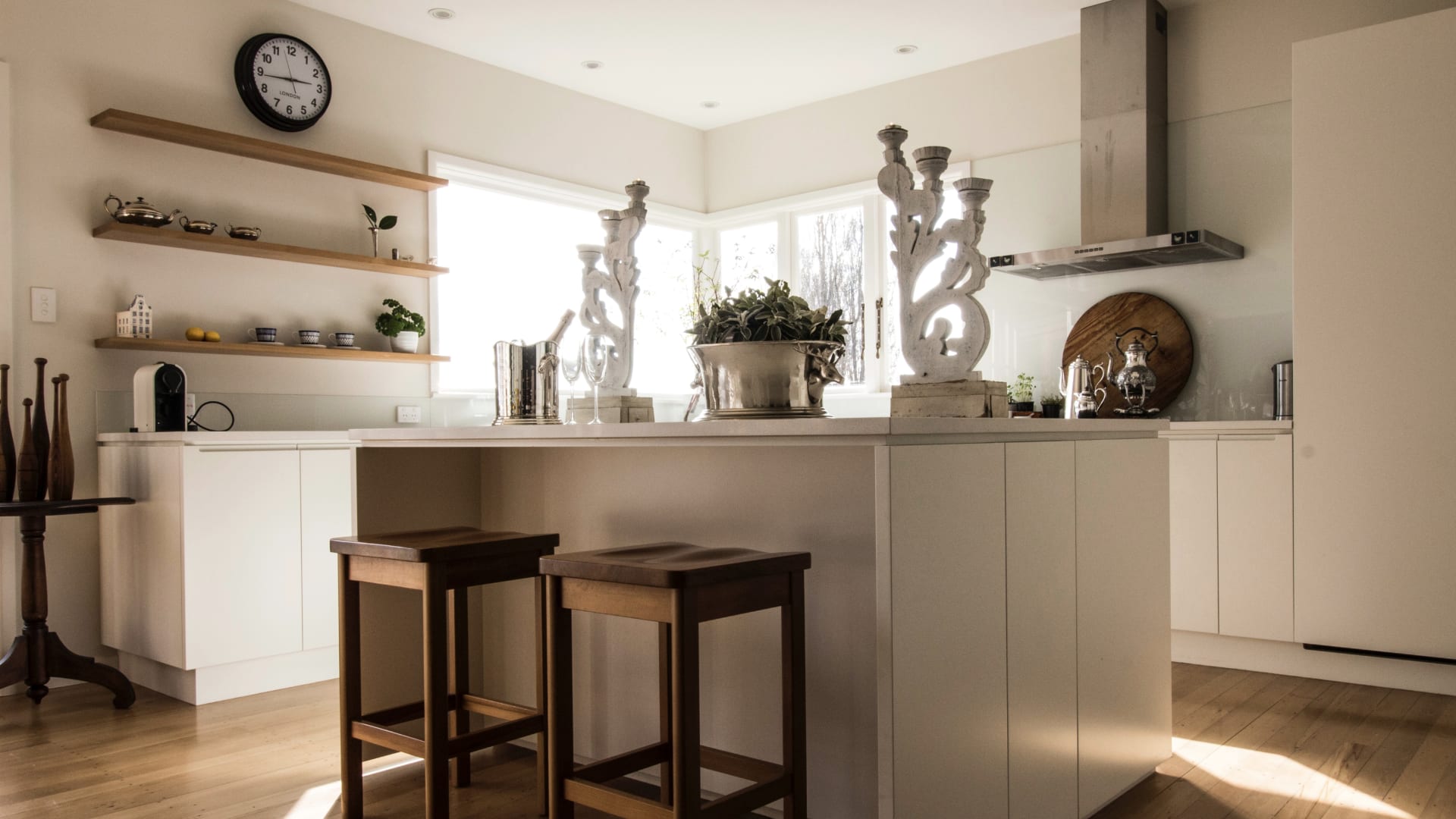

Preparing a home for showings is about helping buyers see the space, light, and lifestyle your property offers—not hiding that people live there. In Knoxville and East Tennessee, a clean, edited, welcoming home can make every online photo and in-person tour work harder. Use this step-by-step plan to create a polished routine that is practical to maintain while your home is on the market.
When you are selling a home in Knoxville, Farragut, Maryville, Loudon, or the surrounding East Tennessee communities, it can be tempting to hope buyers will look past everyday clutter and focus on the home’s potential. Most buyers make an emotional impression quickly, though, and small details can influence how spacious, cared-for, and move-in ready a property feels.
The goal is not to make your home look sterile or unrecognizable. It is to make its best features easy to notice. A thoughtful preparation plan gives buyers room to imagine their own routines there, while making showings easier for you to manage from week to week.
Start by editing every room
Before deep cleaning, walk through each room with a simple question: what can leave for the duration of the listing? Reducing visual noise is often the fastest way to make a home feel larger and more functional. Pack items you will not need for the next several weeks, including off-season clothing, extra cookware, hobby supplies, collections, and rarely used décor.
- Remove enough furniture to open clear pathways through each room. Buyers should be able to move naturally without navigating around oversized pieces or crowded corners.
- Use a storage unit, garage area, or neatly organized off-site space for surplus furniture and boxes. Avoid simply moving clutter from the living areas into closets, because buyers often open closet doors.
- Keep only a few intentional accessories on visible surfaces. A lamp, a simple plant, or one well-placed piece of art can feel inviting without distracting from the room itself.
- Depersonalize thoughtfully by storing highly personal photos, awards, and collections. This helps visitors focus on the home rather than its current owners.
The most effective staging decision is often subtraction. When counters, floors, and furniture layouts are simplified, buyers can better judge the room dimensions, storage, natural light, and flow that matter to their decision.
As you edit, pay particular attention to the entry. Whether your home has a front porch in Farragut, a mountain-view drive near Sevierville, or a traditional neighborhood entry in Maryville, the first few feet should feel open, clean, and easy to enter. Remove excess shoes, coats, pet supplies, and mail from this area.
Handle repairs and presentation details early
Once rooms are less crowded, small repairs become much easier to see. Walk through your home in daylight and make a list: patch nail holes, touch up scuffed trim, replace burned-out bulbs, tighten loose cabinet hardware, and address doors that stick or squeak. Buyers may not expect perfection, but visible deferred maintenance can raise unnecessary questions about the home’s overall care.
Neutral paint is not mandatory in every room, but bold or heavily personalized colors can distract buyers from the home itself. If a space feels dark, dated, or unusually specific, a fresh coat in a light, broadly appealing shade can be a worthwhile improvement. Your agent can help you prioritize work that supports the price range and buyer expectations for your neighborhood.
Light deserves equal attention. Open blinds and curtains before every showing, clean window glass, and make sure each fixture has a working bulb in a consistent, warm-white tone. In East Tennessee, where wooded lots and changing weather can affect interior brightness, layered lighting helps rooms feel comfortable even on an overcast day.
Deep clean the spaces buyers inspect most
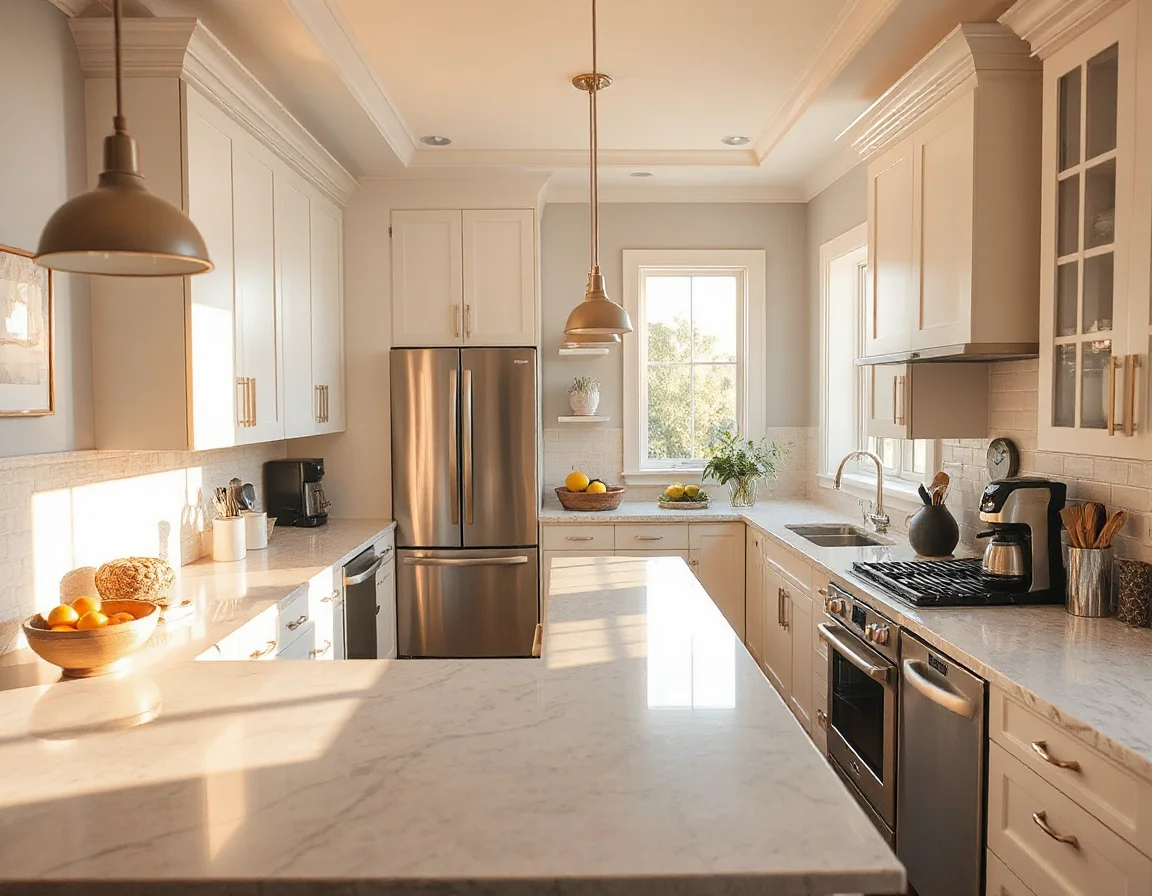
A clean home signals care. Focus your deepest cleaning on the kitchen, bathrooms, floors, windows, and high-touch surfaces. In the kitchen, clear countertops almost completely, clean the backsplash and grout, polish appliances, and organize the pantry and cabinets. Buyers notice storage, so a neatly arranged cabinet is more persuasive than one packed to capacity.
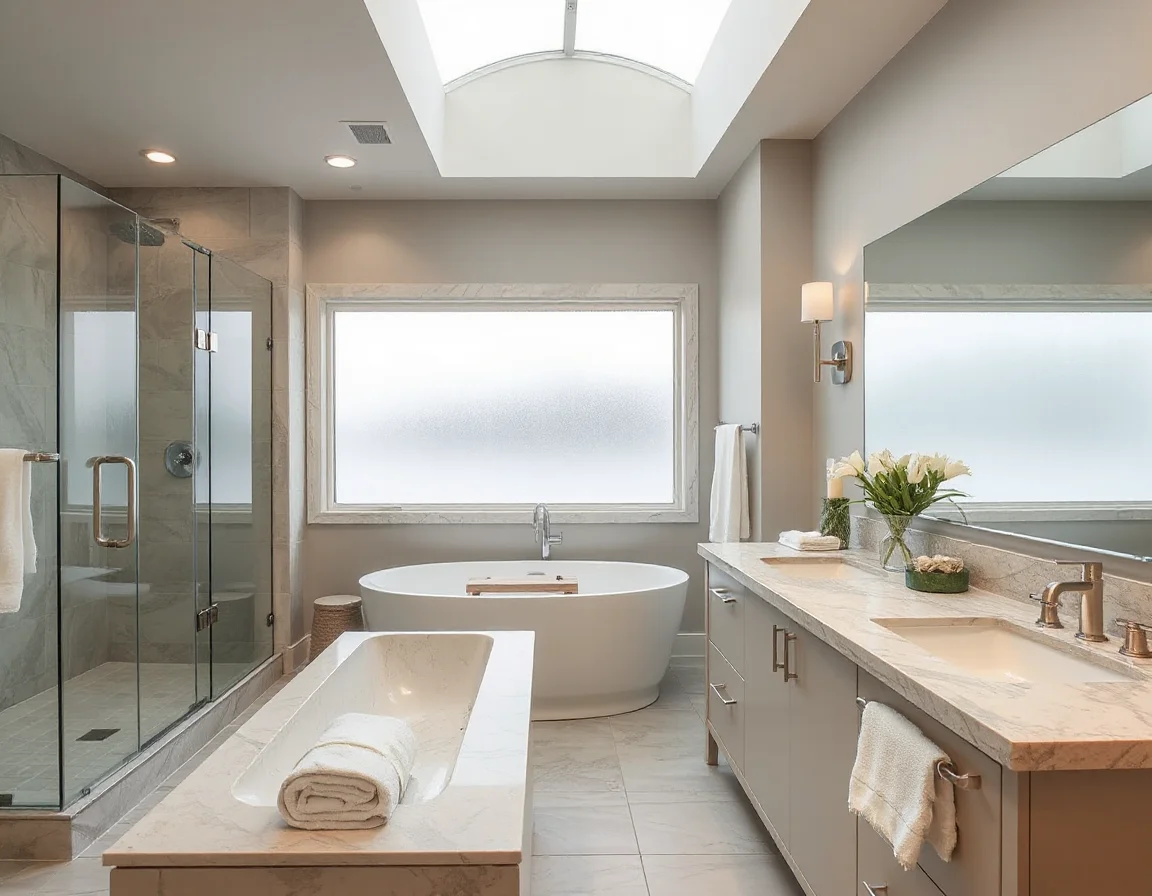
Bathrooms should feel fresh, simple, and hotel-clean. Put away daily toiletries, wipe mirrors and fixtures, clean around the toilet base, and use fresh towels in a neutral color. Check for worn caulk, slow drains, or mildew around tubs and showers. These are small tasks, but they can prevent a well-kept home from feeling overlooked.
Do not overlook odor control. Pet odors, cooking odors, smoke, and heavy fragrances can affect a buyer’s first impression. Wash pet bedding, empty trash, clean soft surfaces, and air out the home when possible. Choose a neutral approach rather than relying on strong candles or sprays, which can suggest that an odor is being covered up.
Buyers are likely to look beyond the main rooms. Clean closets, laundry areas, utility rooms, the garage, and under-sink storage so the home feels consistently maintained from the front door to the least glamorous corner.
Create a calm kitchen and living area
Kitchens and living rooms often carry the greatest weight in a buyer’s memory. In the kitchen, remove refrigerator magnets, notes, and children’s artwork. Store small appliances that are not used daily, then leave just enough on display for the room to feel functional. Clean the oven, microwave, refrigerator, and range hood inside and out.
In the living room, clear coffee tables, shelves, and entertainment centers of excess items. Arrange seating to encourage conversation and make architectural features visible. If you have a fireplace, clean the hearth and mantle, and keep the display minimal. For homes with views of a wooded yard, patio, or Smoky Mountain scenery, avoid furniture placement that blocks windows or sightlines.
Children’s toys and pet supplies can be managed with a simple showing-day basket or bin. When an appointment comes in, you can quickly gather them and place the bin in your vehicle or a designated storage area. This is much more effective than scrambling to reorganize the entire room before every tour.
Make bedrooms and storage feel restful and generous
Bedrooms should communicate rest, privacy, and usable space. Make beds neatly with coordinated bedding, clear bedside tables and dressers, and remove laundry baskets or piles of clothing. Keep décor restrained so buyers can understand the room’s size and possible furniture arrangement.
Closets matter, too. Aim to remove a meaningful portion of the contents so shelves and hanging space are visible. Neatly spaced clothing and organized bins help buyers picture their own belongings fitting comfortably. The same approach applies to linen closets, pantries, and garage storage.
Finish with curb appeal and a showing-day routine
Buyers begin forming opinions before they step inside. Mow the lawn, edge walkways, remove dead plants, sweep porches, and keep the driveway clear. Fresh mulch, a tidy doormat, and seasonal planters can add a welcoming touch without requiring a major landscaping project. Make sure house numbers and exterior lighting are visible and in good condition.
For each showing, open blinds, turn on lights, make beds, wipe kitchen and bathroom surfaces, take out trash, and secure pets whenever possible. Set the temperature at a comfortable level and leave the home promptly so buyers can explore without feeling rushed. A small tote with cleaning wipes, a lint roller, and a basket for last-minute items can turn this routine into a manageable habit.
Preparing for showings takes effort, but it is an investment in how confidently buyers experience your home. With a clean, well-lit, thoughtfully edited presentation, your property can stand out for the features that matter most: its condition, flow, comfort, and potential for the next owner.