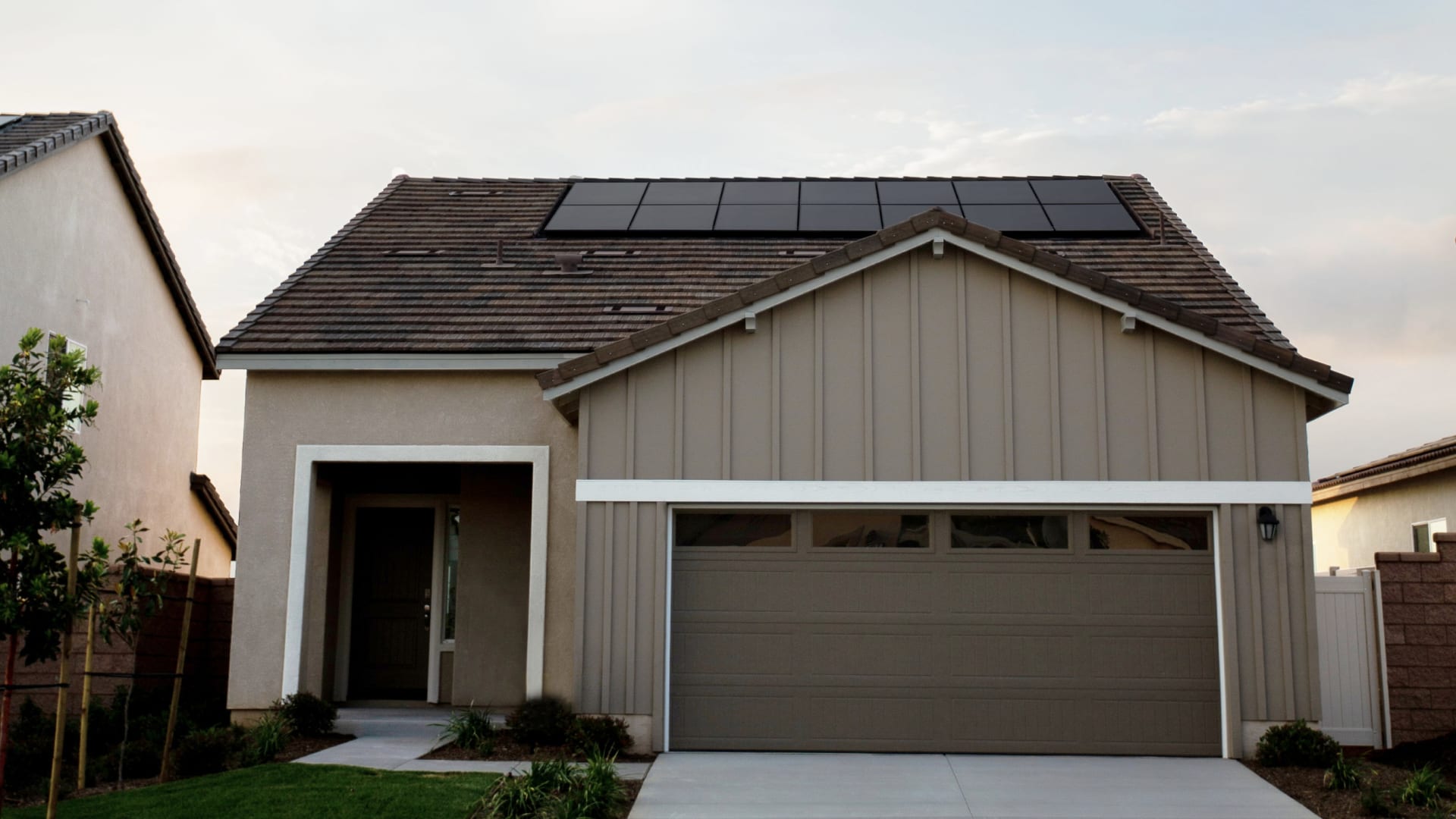

Energy-efficient improvements can lower operating costs, make a home more comfortable through East Tennessee’s humid summers and chilly mountain winters, and strengthen its appeal when it is time to sell. Start with practical upgrades that address air leaks, water use, lighting, and heating and cooling before considering larger projects. A thoughtful plan helps buyers evaluate a home’s potential and helps sellers present improvements with confidence.
From Knoxville and Farragut to Maryville, Loudon, Sevierville, Gatlinburg, and Pigeon Forge, homeowners experience a wide range of weather conditions throughout the year. That makes energy efficiency more than a trend: it is a practical part of owning, maintaining, and marketing a home. Whether you are preparing to buy, planning a future sale, or simply looking for ways to reduce monthly expenses, these ten upgrades can make a meaningful difference.
Not every improvement requires a major renovation. Many of the most useful steps begin with understanding how your home uses energy, then targeting the areas where conditioned air, water, or money may be slipping away.
1. Begin With a Professional Energy Audit
An energy audit gives homeowners a clearer picture of where a house is losing efficiency. A qualified professional can evaluate insulation, ductwork, windows, appliances, lighting, and heating and cooling equipment. Some utility providers offer audits or related programs, and an independent home-performance professional can provide a detailed assessment when needed.
For buyers considering an older Knoxville-area home or a mountain cabin near Gatlinburg, an audit can help prioritize improvements after closing. For sellers, documented upgrades and a better understanding of the home’s systems can make conversations with prospective buyers more straightforward.
Efficiency is often a collection of smaller gains rather than one dramatic project. Sealing leaks, maintaining equipment, and upgrading the right fixtures can work together to improve comfort in every season.
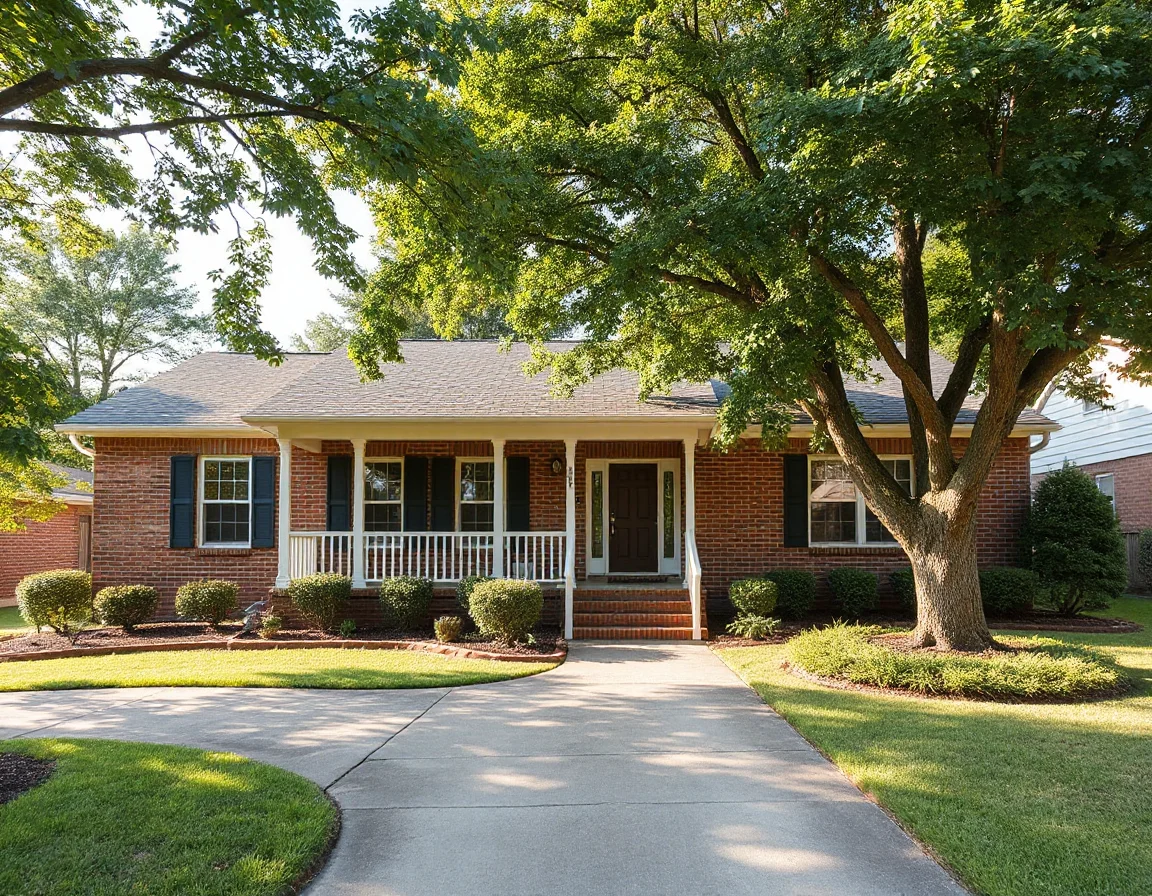
2. Replace Inefficient Lightbulbs
Lighting is one of the easiest places to start. LED bulbs typically use substantially less energy than traditional incandescent bulbs and last much longer. Replace frequently used bulbs first: kitchen fixtures, hallways, exterior lights, bathrooms, and living areas are logical priorities.
Look beyond the bulb itself, too. Timers, dimmers compatible with LEDs, and occupancy sensors can reduce unnecessary use in closets, garages, laundry rooms, and outdoor spaces. These modest changes are affordable, simple to explain to future buyers, and easy to maintain.
3. Use Sunlight Strategically
Sunlight can either support comfort or make a home work harder. In East Tennessee, south- and west-facing windows may bring welcome warmth in cooler months but can intensify heat during summer afternoons. Pay attention to how the light moves through your home across the day and throughout the year.
Opening curtains to capture winter sun and closing blinds or insulated shades before strong summer sun arrives can reduce the burden on the HVAC system. Exterior shading, appropriately placed trees, and awnings may also help where direct exposure is especially intense.
4. Seal Drafts Around Windows and Doors
Air leaks are common in homes of every age. Worn weatherstripping, gaps around doors, and poorly sealed windows can let conditioned air escape while allowing humid summer air or cold winter air inside. Check for drafts on a breezy day, and inspect caulk and seals for cracks or gaps.
Weatherstripping and caulking are relatively low-cost upgrades that can improve comfort quickly. If windows are nearing the end of their useful life, replacement may be worth exploring, but simple sealing should be part of the plan even in homes with newer windows.
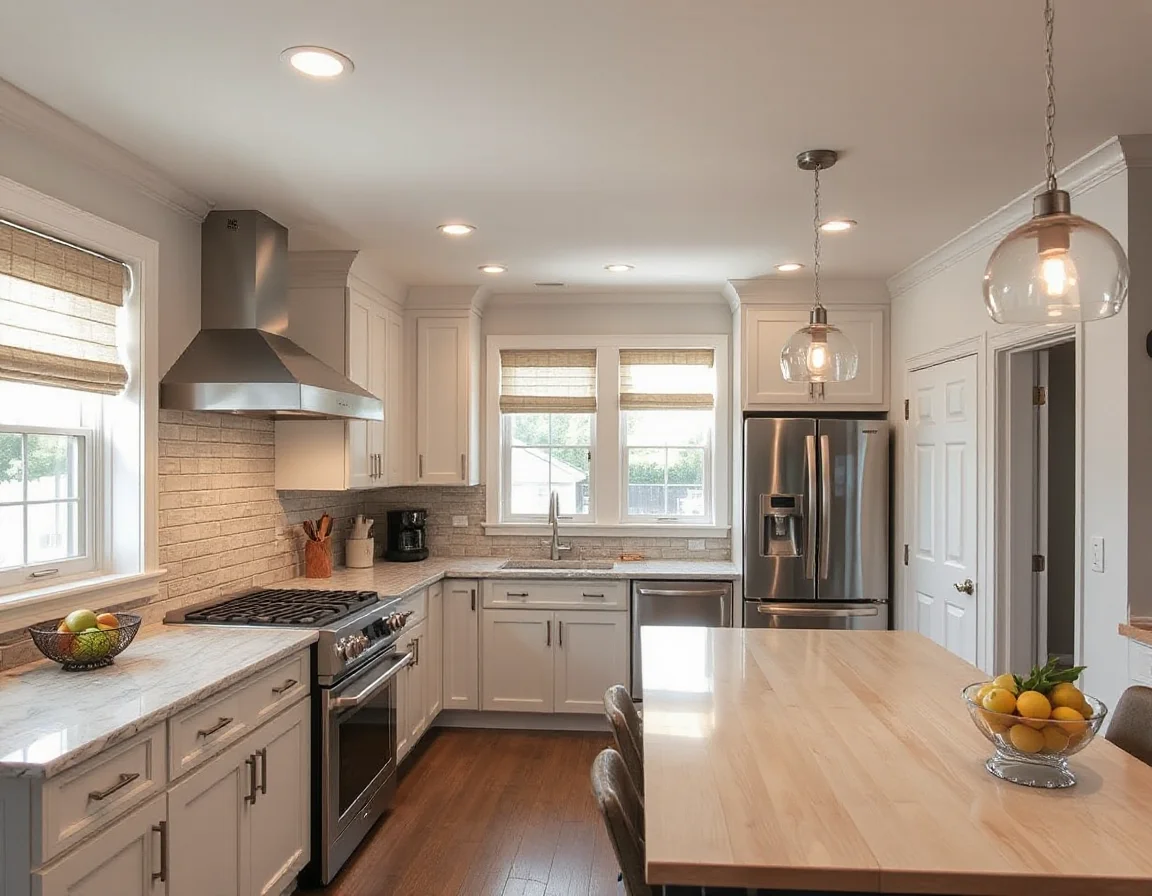
5. Adjust the Water Heater Temperature
Water heating is a significant household expense, especially for larger households or homes with frequent guest use. Review the manufacturer’s guidance and confirm that the water heater temperature is set appropriately for your household’s needs. A setting that is unnecessarily high can waste energy and increase the risk of scalding.
Insulating accessible hot-water pipes can help reduce heat loss as water travels to fixtures. When a water heater is due for replacement, compare conventional, heat-pump, tankless, and hybrid options with a licensed professional to determine what fits the home and household best.
6. Capture Rainwater for Outdoor Use Where Appropriate
Rain barrels can collect runoff for watering flower beds, landscaping, and other non-potable outdoor uses, subject to local rules and proper installation. This can be especially useful during dry stretches when gardens need attention, even though East Tennessee receives generous rainfall over the course of a year.
Use covered containers, keep them maintained, and direct overflow away from the foundation. The goal is not just conserving water; it is managing it responsibly around the property. Proper drainage is a valuable feature for buyers and a smart maintenance priority for sellers.
7. Install Water-Saving Showerheads and Fixtures
Low-flow showerheads and efficient faucet aerators can reduce water use without making everyday routines feel inconvenient. Modern fixtures offer a variety of spray settings and finishes, making them a practical refresh for bathrooms that need both efficiency and a visual update.
Before replacing fixtures, address leaks. A dripping faucet, running toilet, or hidden plumbing issue can quietly increase water bills and create larger concerns if ignored. Sellers should resolve visible maintenance items before listing; buyers should include plumbing condition in their inspection discussions.
When comparing homes, efficient systems should be viewed alongside age, maintenance history, insulation, and overall condition. A newer thermostat or showerhead is helpful, but a well-maintained home is the stronger long-term advantage.
8. Upgrade to a Programmable or Smart Thermostat
A programmable thermostat lets homeowners align heating and cooling with their actual routines. Lowering or raising the temperature modestly while the home is empty, then returning it to a comfortable setting before anyone arrives, can reduce unnecessary runtime.
Smart thermostats can add remote control and usage insights, but the best choice is one that works correctly with the existing HVAC system. If you are buying a home with an unfamiliar thermostat or heating system, ask for operating instructions and service records. If you are selling, make the controls easy for showings and provide clear information about recent HVAC maintenance.
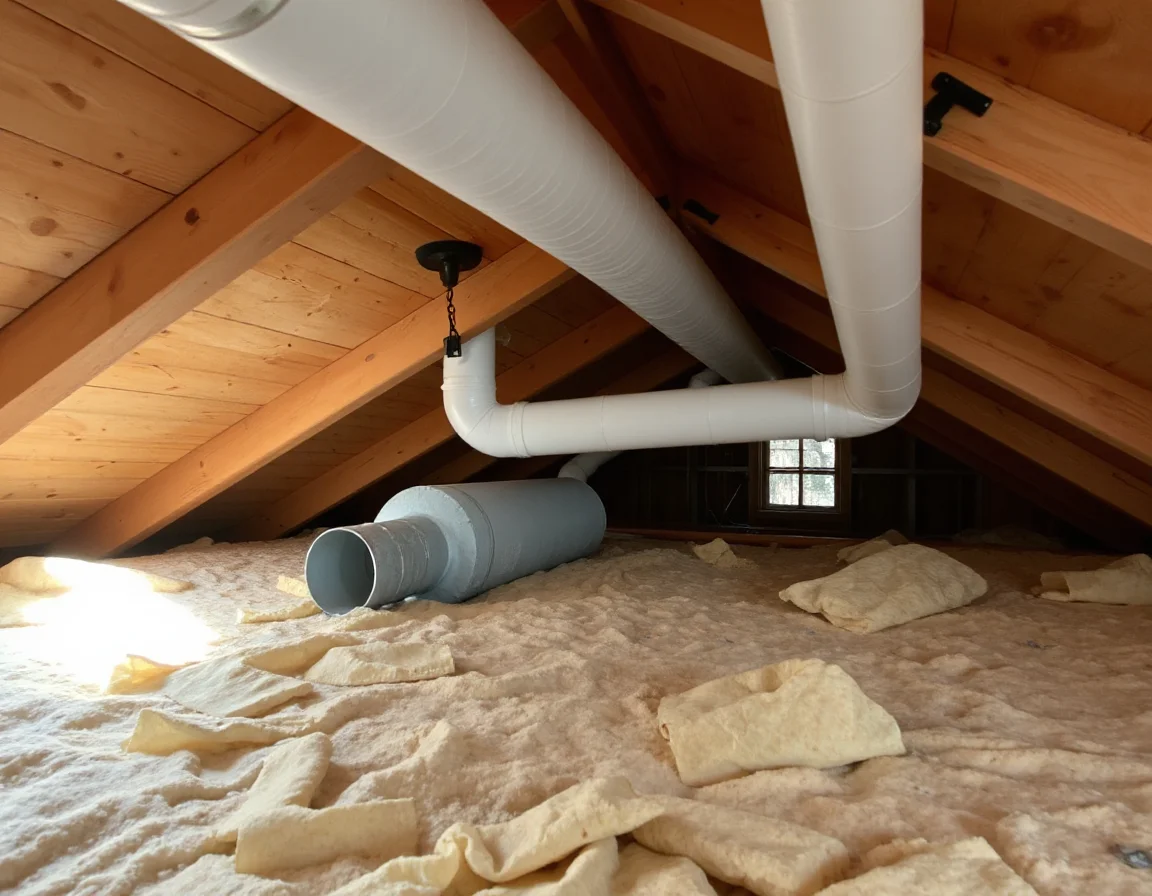
9. Air-Seal and Insulate the Attic and Basement
Attics, crawlspaces, and basements are often where efficiency gains become most noticeable. Warm air rises in winter, and poorly sealed attic penetrations can allow it to escape. In summer, inadequate insulation and leaky ductwork can make upper floors feel warmer than they should.
Have insulation levels, ventilation, duct sealing, and moisture conditions evaluated together. In the Smokies region, moisture management matters as much as temperature control. The right solution protects comfort while helping avoid issues that can affect a home’s condition and resale appeal.
10. Choose Lower-Impact Lawn Care Options
For manageable lawns, a manual reel mower or efficient electric mower can reduce fuel use, noise, and routine maintenance compared with older gas-powered equipment. Native or region-appropriate landscaping can also reduce watering needs and create a more resilient yard.
There is no single definition of an energy-efficient home. The right approach may be as simple as sealing a door, replacing bulbs, and tuning the thermostat, or as substantial as upgrading insulation, HVAC equipment, or appliances. By taking one well-considered step at a time, East Tennessee homeowners can improve daily comfort, control ownership costs, and make their property more appealing when the next move comes into view.