

Buying your first home in the Knoxville-area market can feel complicated, but the right preparation turns uncertainty into a clear plan. Understand your financing, investigate the neighborhood at different times, and separate cosmetic fixes from expensive problems before you write an offer. A knowledgeable local team can help you compare opportunities from Knoxville and Farragut to Maryville, Loudon, Sevierville, and beyond.
First-time buyers across East Tennessee often begin with a favorite listing, a budget number from an online calculator, and plenty of excitement. Those are useful starting points, but a successful purchase requires a little more groundwork. From the foothills communities near Maryville and Greenback to the busier corridors of Knoxville, Farragut, and Lenoir City, each home search has its own pricing, commute, utility, and property-condition considerations.
The good news is that you do not need to know everything before you begin. You need a practical process, reliable professionals, and enough local perspective to ask better questions. Avoiding the five mistakes below can help you protect your budget, move with more confidence, and focus on homes that truly fit the way you want to live.
1. Assuming there is only one way to handle a down payment
For many first-time buyers, the down payment is the most intimidating part of the transaction. It is easy to assume that buying is impossible without a large amount of cash, or to believe that every buyer must put down 20 percent. In reality, loan programs, credit profiles, occupancy plans, and lender guidelines can create several different paths.
A smaller down payment may allow you to buy sooner, although it can affect your monthly payment, mortgage insurance, interest rate, and reserves after closing. A larger down payment can reduce the loan amount, but it should not leave you without funds for inspections, moving costs, repairs, or an emergency cushion. The best choice is not automatically the largest down payment; it is the one that supports your full financial picture.
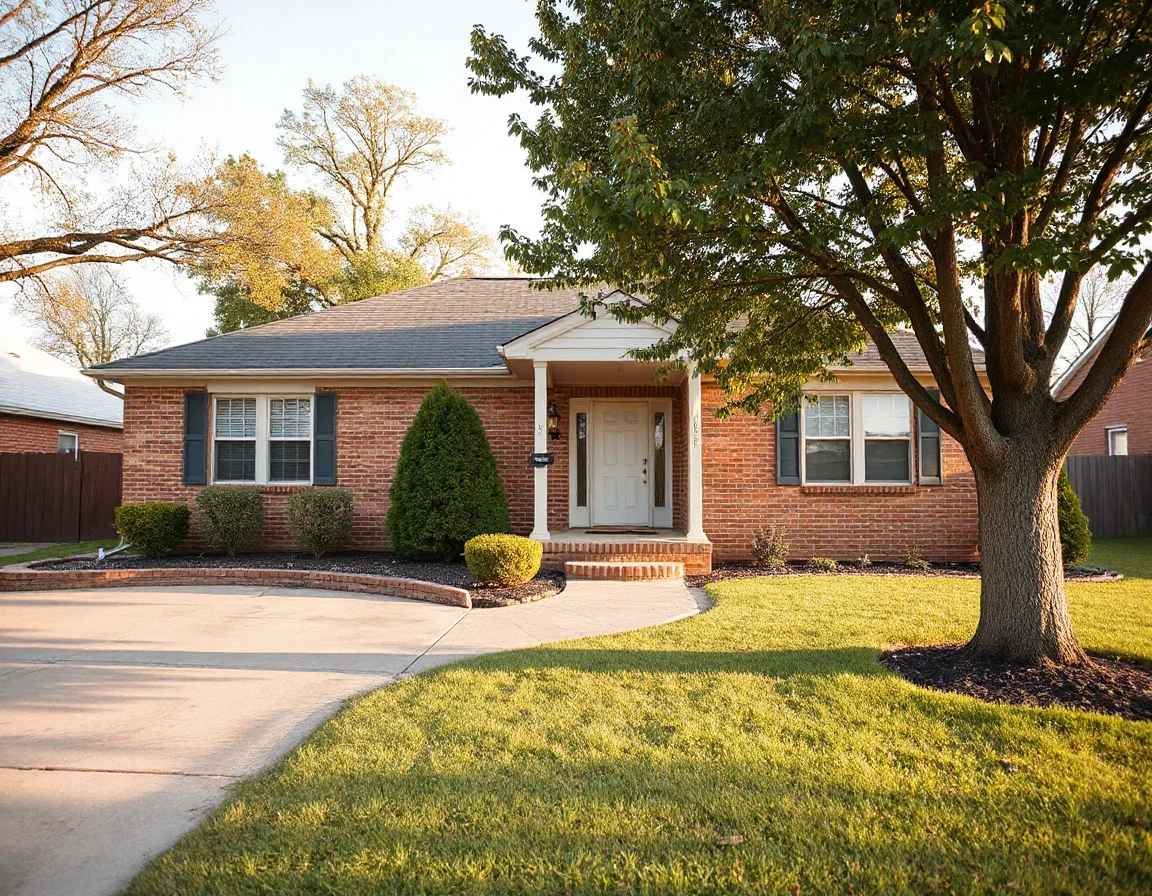
Before setting a firm home-price target, speak with a reputable mortgage professional about conventional, government-backed, and qualifying assistance options. Ask for estimated cash to close, not just the down payment figure. That number is more useful because it includes lender charges, prepaid items, title-related costs, and other expenses that may apply to your purchase.
A comfortable first-home budget leaves room for the life that happens after closing: routine maintenance, utility changes, furnishings, and the occasional repair that cannot wait.
2. Shopping before getting a meaningful preapproval
Online payment calculators are helpful for early research, but they cannot replace a lender’s review of your income, debts, assets, credit, and loan options. Property taxes, insurance, homeowners association dues, and mortgage insurance can all change the monthly number. In parts of East Tennessee, those details may vary considerably between a downtown Knoxville condo, a newer Farragut neighborhood, and a home with acreage outside Loudon or Seymour.
A thorough preapproval gives you a realistic price range and shows sellers that you are prepared to move forward. It also helps your team structure an offer with terms that fit your financing. In a competitive situation, that clarity can be as important as the offer price because it reduces uncertainty for everyone involved.
Ask your lender how long the preapproval is expected to remain valid, what documentation may need updating, and which loan conditions still need to be satisfied. Avoid major credit changes while you are shopping, such as opening new accounts, financing furniture, or changing jobs without first discussing the impact with your lender.
3. Treating the home search as an online-only process
Listing photos and virtual tours make it easier than ever to narrow your choices, but they do not tell the entire story. They cannot fully convey how a street feels during rush hour, whether a driveway is comfortable to use, how natural light changes throughout the day, or whether the floor plan works for your furniture and daily routines.
Local context matters, too. A home in Gatlinburg or Pigeon Forge may involve different considerations than a primary residence in Knoxville or Maryville, particularly when you are evaluating access, terrain, neighborhood activity, and long-term plans. Your team can help you look beyond the listing description and compare the practical tradeoffs of each location.

Tour the property carefully and give yourself permission to slow down. Open closets, look at storage, notice ceiling heights, and consider where you would place everyday essentials. If the property is near a busy road, a steep grade, a commercial area, or a seasonal destination, visit at more than one time of day when possible. The goal is not to find a flawless home; it is to understand what you are choosing.
A skilled local real estate team also helps you monitor new listings, interpret comparable sales, coordinate showings, and recognize when a home’s condition or location should influence your offer. That guidance is especially valuable when attractive homes receive attention quickly.
4. Skipping neighborhood due diligence
A house is only part of the decision. Your daily experience will also be shaped by the drive to work, nearby services, road patterns, recreation, and the character of the surrounding area. Before making an offer, spend time around the neighborhood in the morning, evening, and on a weekend if you can.
Consider practical questions: How long does the commute take at the time you will actually travel? Where will you buy groceries or run errands? Are you comfortable with the road access in rain or after dark? If outdoor recreation is important, how close are the parks, greenways, lakes, trails, or community amenities you expect to use?
A favorite kitchen can be updated over time. A commute, road pattern, lot setting, or neighborhood rhythm is much harder to change, so make sure the location supports your everyday priorities.
For homes in more rural settings around Greenback, Vonore, or parts of Loudon County, ask informed questions about internet availability, septic systems, wells, road maintenance, and travel distances. For homes closer to Knoxville, Farragut, or Lenoir City, you may place more weight on traffic, walkability, nearby development, and neighborhood rules. Due diligence is not about searching for reasons to walk away; it is about making a decision with open eyes.
5. Confusing cosmetic projects with true deal-breakers
Every first-time buyer has a list of features they hope to find, and it is normal to react strongly to dated paint, worn flooring, an unusual bathroom, or an older kitchen. Many of those concerns can be improved after closing. The more important question is whether the home has issues that affect safety, financing, durability, or the total cost of ownership.

Inspections are a key part of this distinction. A qualified inspector can help identify concerns involving the roof, foundation, electrical system, plumbing, HVAC equipment, drainage, and other major components. Your agent can help you understand the inspection findings in context, discuss appropriate next steps, and negotiate according to the terms of your contract.
Try to separate your list into three categories: improvements you would enjoy making, repairs you can budget for, and issues that may change your decision. A small bath, older cabinets, or an imperfect light fixture may be manageable. Significant water intrusion, structural concerns, or systems near the end of their useful life deserve closer attention and professional input.
Move forward with a plan that fits East Tennessee
Buying your first home is a major milestone, whether your search leads you to a Knoxville neighborhood, a Farragut community, a Maryville home near the mountains, or a quieter property in Loudon County. Preparation gives you more control over the process and makes it easier to recognize the right opportunity when it appears.
Start with your financial comfort zone, tour homes and neighborhoods thoughtfully, and lean on trusted local professionals for guidance. With a clear strategy, you can avoid costly surprises and take the next step toward a home that supports both your immediate needs and your long-term goals.